

Lower council tax hikes, cuts and parking permit freezes - Warwickshire budget proposals in detail
By Andy Mitchell - Local Democracy Reporter 3rd Feb 2026
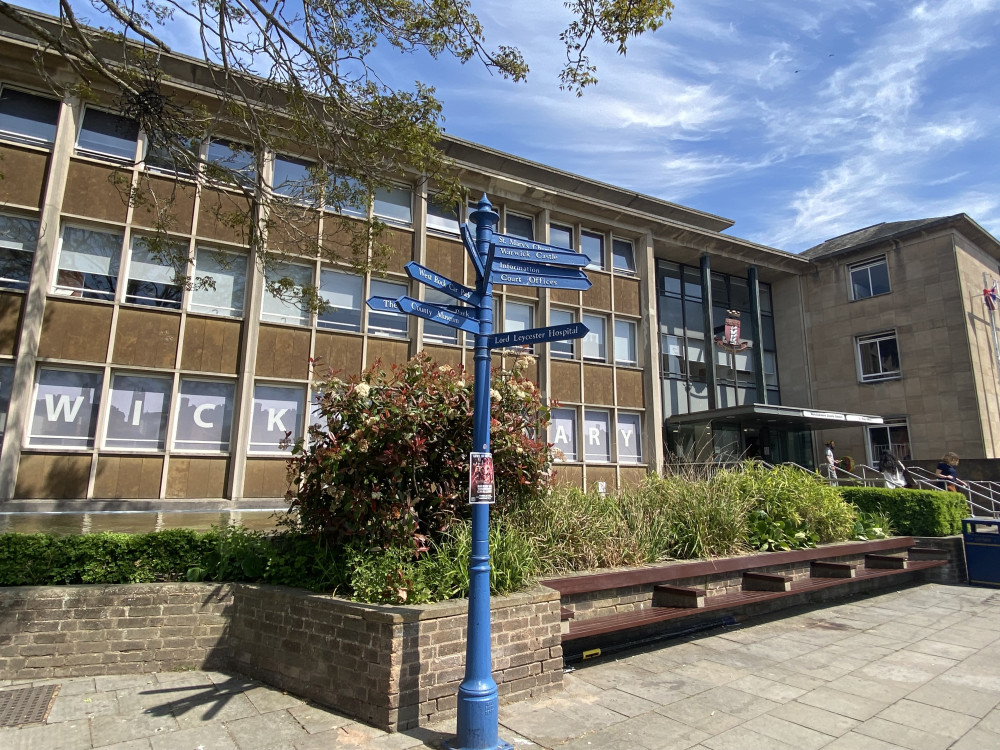


Reform UK's proposed financial plan for Warwickshire County Council includes millions of pounds of extra savings without stating where they will be found.
Papers laying out the administration's first county budget and medium-term financial strategy (MTFS) – five-year financial plan – were released last week ahead of Thursday's budget bunfight at Shire Hall.
They include plans to limit the rise to the county's portion of council tax to 3.89 per cent. That is against the advice of the authority's financial professionals who advocate taking the maximum available, 4.99 per cent.
If approved, it will reduce the bill for an average Band D property by £20.05 per year with the lowest-value Band A properties saving £14.36 per year.
It may not seem like much but the combined loss to the council over the next five years is estimated to be £26 million, a shortfall that has to be made up.
Reform UK has sought to balance out its wider changes by building up to annual savings of £4.2 million across the final three years of the plan.
Attributed to the "transformation of services", no departments are highlighted and it is acknowledged that the mission "requires further scoping".
The wider plans not only apply a brake to the council tax but give up less popular income streams like parking permit price increases and the introduction of on-street parking charges in Warwickshire towns that don't currently have them.
Download our Nub News App!
- It’s FREE and available now- Breaking news notifications
- Your Town in Your Pocket


However, cuts to pre-school autism checks, help for mental health patients seeking work and the maintenance of buildings for children and families have been kept in with new cuts to staffing introduced.
The climate team's staff budget is to come down by £90,000 from April and £120,000 per year from April 2027, while efforts to "rightsize the communications service" cut its funding by £75,000 from April and £100,000 per year from April 2027.
But even after all that, the route to balancing the books lacks detail.
Listed as a "service redesign", there is " a target to achieve future efficiencies as part of a wider transformation of services, which requires further scoping and will be closely linked to the Value for Money programme to deliver more efficient and effective services".
The target savings – on top of the bigger savings already saddled to under-pressure areas – are £2.7 million in 2028-29 with a further £1 million added in 2029-30 and £500,000 added in 2030-31. They were not among the savings proposed by council professionals in December 2025.
Each of them fall after local government reorganisation is due to kick in from April 2028, potentially pushing tricky financial decisions that emerge from them onto whatever unitary council or councils are formed.
The council tax quandary
The foregone 1.1 per cent equates to around £4.8 million and alongside a lower-than-expected council tax base – projections of how many homes will pay the levy – the county's expected income for the next financial year has been reduced by £9 million compared with December's projections.

Reform UK's plans still include taking the full 4.99 per cent available for the following four years but limiting the rise this time has a recurrent effect – any future 4.99 per cent rise will apply to the lower figure taken this time, meaning that the annual loss will climb to £5.6 million per year by 2030-31.
Chief financial officer Rob Powell states in his report that overall amount missed out on will be £26 million across the five years, cash that has to be found through savings or extra income on top of the onerous £95 million per year by the end of that five-year plan.
The pressures are fuelled by the costs and demand rising for mandatory services such as social care, education and home-to-school transport.
Such issues have seen the council fall short of past savings targets, creating the extra and perhaps unpalatable ones that are now required to balance the books.
What has Reform UK changed?
As well as limiting the increase to council tax, the administration plans to do away with hikes to resident parking permits.
The prices were set to almost double from £25 to £45 from April with further annual rises planned, adding £247,000 to next year's balance sheet and £537,000 per year by 2030-31, but Reform UK wants to freeze the prices.
Plans to bring in on-street parking charges "to address congestion and road safety concerns" in Alcester, Atherstone, Henley-on-Arden, Shipston-on-Stour and Southam from April 2028 have also been shelved at a combined cost of more than £1.2 million, although price increases in areas that already have the charges – Leamington, Warwick, Kenilworth and Stratford – have been kept in.
Another tweak is keeping the £456,000-per-year attributed to discretionary councillor grants. All 57 elected officials get £8,000 per year to help good causes and its continuation is understood to have cross-party support, primarily because it is seen as an effective spend-to-save option.
The Reform UK plan also includes "a target" to save £500,000 per year from 2028-29, rising to £1.5 million per year from 2030-31, through the use of artificial intelligence (AI).
"A review into the use of staff mobile phones" has been put forward to save £50,000 in the next financial year and £100,000 per year from April 2027.
The kept cuts
The county's contribution to mental health employment support is still set to be cut by £40,000 per year, as is the £128,000-per-year support for a community tuberculosis service.
The pre-school autism diagnostic service will go when the contract ends in 2027-28 "as this is not a public health duty", while the Healthy Child Programme pilot is earmarked to end in the same financial year, a £190,000 cut.
Cuts to "consultancy, training and communications" related to domestic abuse and sexual assault and plans to "remove funding from the public health grant" for an NHS falls service remain listed.
The prospect of "either removing posts or using alternative funding streams" for staff in children and families from 2027-28 remains in place to save £171,000 from April and £889,000 per year after that, as does the three-year scale down of youth grants to voluntary and community organisations with the council proposing to establish a partnership "which will apply for charity funding via national organisations" to try to make up the £280,000-per-year cut.

Download our Nub News App:
- It’s FREE and available now
- Breaking news notifications
- Your Town in Your Pocket


Share: