

Minister spells out why he went for north-south split in Warwickshire council shake-up
By Andy Mitchell - Local Democracy Reporter 17th Jul 2026

The different challenges faced by north and south Warwickshire convinced a government minister that the county should have two new unitary councils.
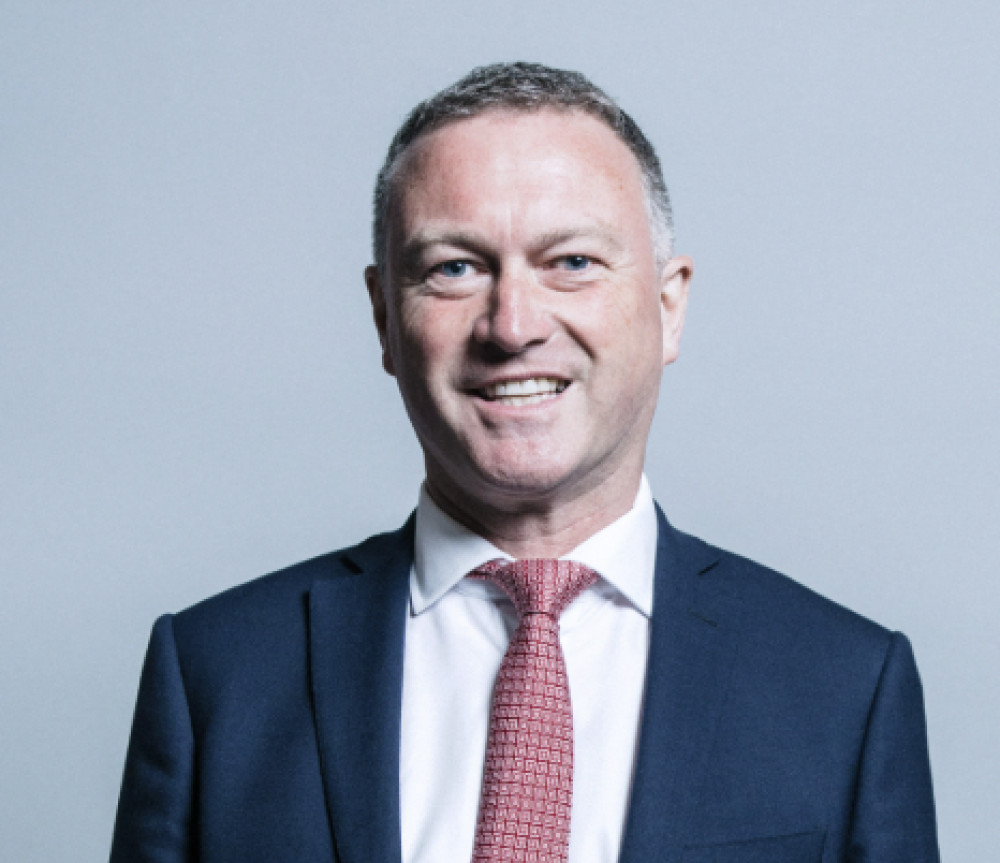
Secretary of State for Housing, Communities and Local Government Steve Reed MP laid out his thinking in a letter to all leaders and chief executives of Warwickshire councils this week having gone for a north-south split as opposed to a new county-wide authority.
Warwickshire's main council services are currently dealt with across a two-tier system with Warwickshire County Council looking after the biggest aspects like education, social care and home-to-school transport, while the five districts and boroughs handle housing, planning and bin collections.
Late in 2024, the government tasked all councils in two-tier with coming together to form unitary councils, delivering all services under one roof, whether that be under current or new boundaries.
Warwickshire County Council argued that one new county-wide council would be best, achieving economies of scale and tapping into the expertise it has in dealing with the big-ticket items, while four of the districts and boroughs argued for a north-south split, arguing that more local representation and decision making would foster stronger links and communities and that north and south Warwickshire have very different needs.
Those latter arguments were reflected in Mr Reed's decision to go for two with the current Nuneaton & Bedworth, North Warwickshire and Rugby borough areas to be covered by the northern unitary and the districts of Warwick and Stratford-on-Avon coming together to form the southern.
"Although the (county-wide) proposal also met the criteria for unitary local government, overall I consider my selected option to be the better option for Warwickshire as it reflects the realities of the county's different economies, identities and demographics," he wrote.
The potential for integrated housing and planning policies "at a sensible geographic level in line with local priorities and needs" as well as giving the county "greater flexibility for future devolution" were also referenced.
Download our Nub News App!
- It’s FREE and available now- Breaking news notifications
- Your Town in Your Pocket


It was acknowledged by both sides of the argument that one new council would have saved more money at a time when councils are under increasing financial pressure.
Mr Reed added: "While I note the greater economies of scale that may be available through the single unitary model, I consider that my selected option will be better placed to recognise and reflect the distinct identities, communities and geographies in Warwickshire.
"(The two-council) option clearly set out the challenges and opportunities with the more industrial north experiencing greater deprivation when compared with the south, where connectivity and access to services is a particular concern."
He highlighted that separate councils would enable the north to address health inequalities and lower healthy life expectancy, while the south could be tailored to focus on issues such as a lack of affordable housing and "supporting independence for a growing older population in rural areas".
Allied to financial concerns, objectors look to the expense and complications arising from pulling apart complex services like social care.
Mr Reed countered: "While I note that the one unitary proposal would avoid the need for service disaggregation, I am persuaded that my selected option provides an opportunity to improve crucial public services through a place-focused and locally responsive approach."
He added transformation benefits in high-demand services could be achieved through "early intervention and prevention approaches".
Mr Reed's letter also confirmed that one implementation team, "formed of (council) officers from across the area", would be formed to handle the transition to both new councils.
Local elections in May 2027 will be for places on the new councils with any district or borough polls scrapped. Councillors who would have been up for election are set to carry on until the existing councils are abolished at the end of March 2028.
Download our Nub News App:
- It’s FREE and available now
- Breaking news notifications
- Your Town in Your Pocket

Share: