

'Magnificent support' of locals praised as Abbey Fields swans at risk as drought hits Kenilworth
By James Smith 18th Aug 2026
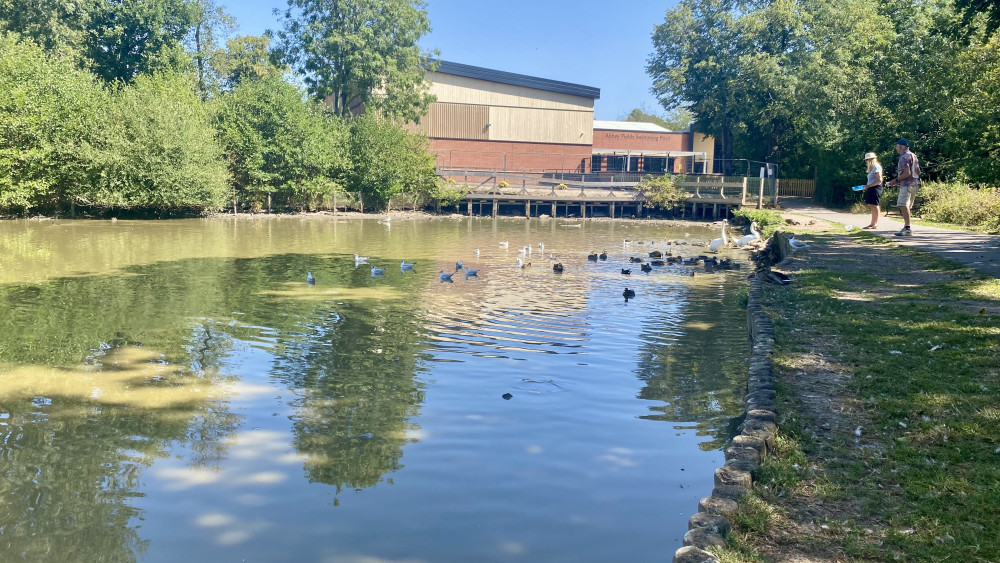


The lake at Abbey Fields has dried up significantly in recent weeks, following multiple heatwaves and little to no rain.
As a result, the swans that inhabit the lake have faced significant loss to their habitat.
This comes after many cygnets were found dead around Abbey Fields over the past winter, leading to concerns about the long-term health of the swans and their vulnerability due to their impacted habitat.
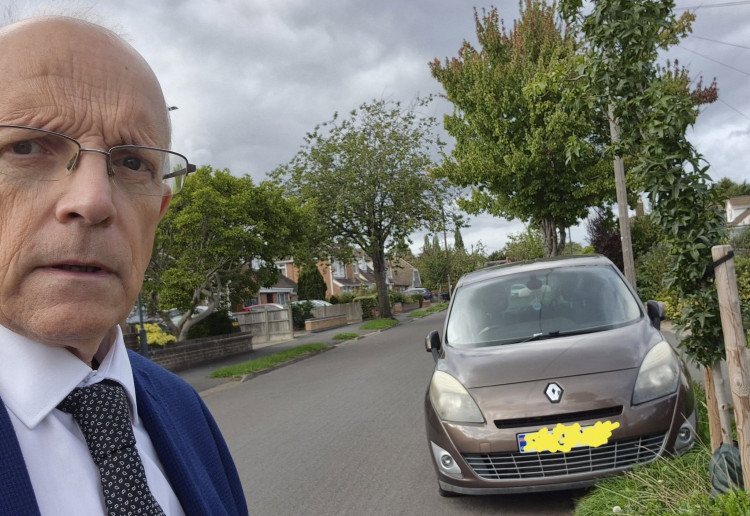
Speaking to Nub News, local wildlife volunteer and swan expert, Cyril Bennis, explained how swans and wildlife across Warwickshire have been impacted by the drought, and how locals have helped during this time.
"It's very interesting with wildlife; they're pretty resilient," he said.
"It's so important for them to be hydrated, so water is very important for them.
"As long as they have their hydration and they can get their food, then they're fine.
"We're very fortunate that people are very kind, and they are very aware of wildlife.
Download our Nub News App!
- It’s FREE and available now- Breaking news notifications
- Your Town in Your Pocket


"The one thing that is sure here is that people like to give them a helping hand, and that's what we have to try and do."
Mr Bennis said that while the swans are continuing to be resilient during the extreme heat, the long-term effects of this weather are unclear, even with rain due to fall later this week.
He said: "The long term is hard to know.
"The quality of the water, in some parts, is not very good, and in other parts, it's flowing very well.
"We will never know until something serious happens, and that sadly is unknown as we speak at the moment."
Mr Bennis also explained how wildfires across the West Midlands have worsened conditions for wildlife alongside the drought.
He said: "So much devastation has been going on with the fires, and with the smoke and inhalation.
"It's incomprehensible to try to understand the amount of tragedy going on in the wildlife world.

"We won't even be able to count up how many animals have died, and how many types of animals have died.
"There has been no respite whatsoever."
He also highlighted the unwavering significance of avian flu, a disease that killed hundreds of birds last winter alone.
"Can I say to you the virus has gone? No," he continued.
"Can the scientist tell me that the virus has gone? No.
"It will come in the winter. It's like a dark cloud hanging over us. We've only got 40-plus swans in our flock at the moment. In two years, we've lost about 40. In five years, we've lost 120.
"And the other thing, of course, is we haven't got many cygnets that are being born, which compacts the situation. It's a very, very deep concern."
Mr Bennis again stated how important the help of locals has been through the period of harsh weather, and explained what else can be done to help the swans.

He said: "The folks in Kenilworth have been absolutely magnificent in feeding them, and it's great that they've taken the time out to give them a helping hand.
"The important thing is that because the animals are now very vulnerable during this time of the year, that they keep their dogs on leads.
"That is the most important thing. It's just to be a little bit more aware, a bit more understanding, and to give wildlife a helping hand; that's the best thing we can do."
Download our Nub News App:
- It’s FREE and available now
- Breaking news notifications
- Your Town in Your Pocket


Share: