Local author uncovers centuries of secrets behind Kenilworth's Abbey Fields at packed talk
By Harry Speirs 19th Nov 2026
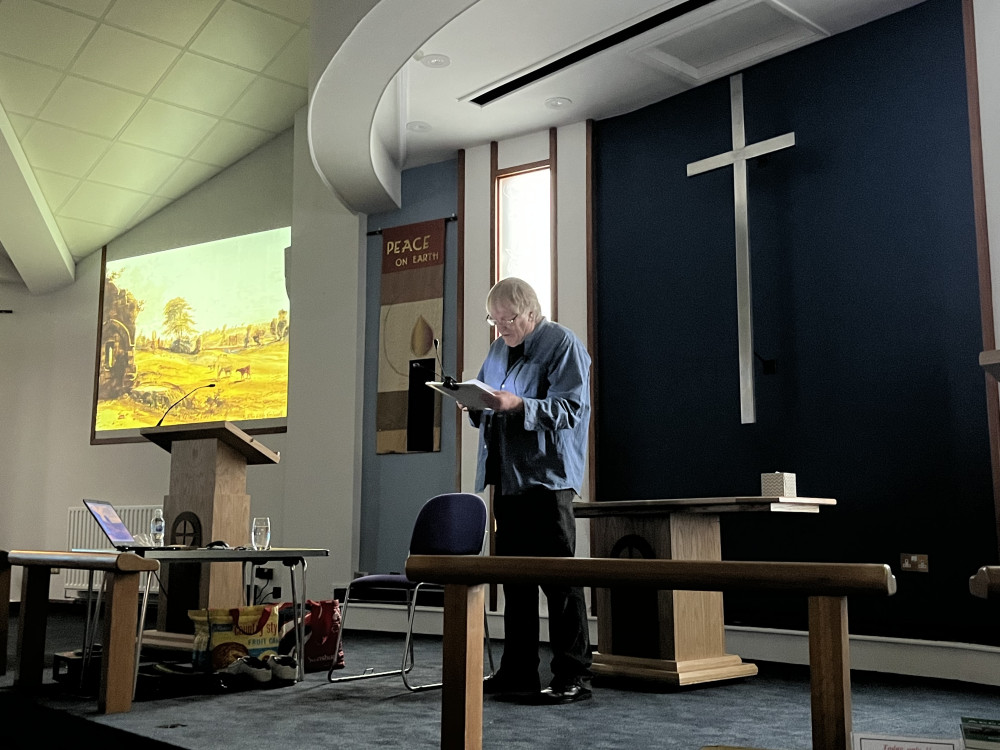


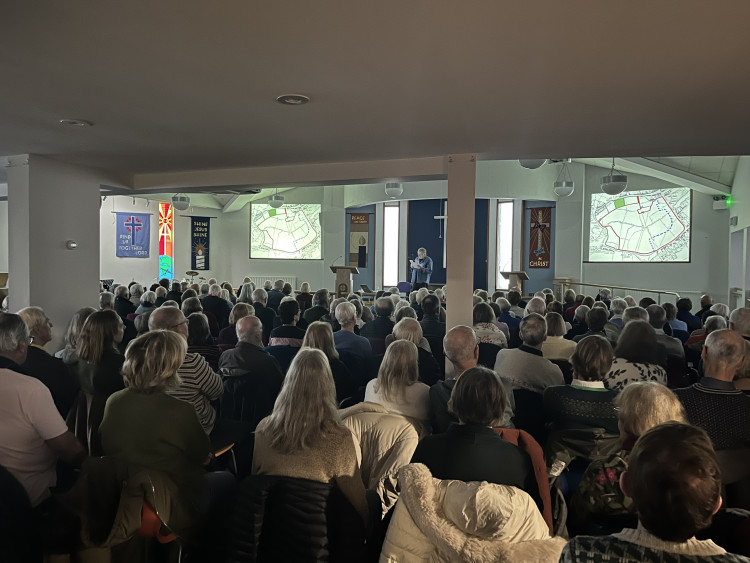
Kenilworth's very own local historian and author explored Abbey Fields and its history to a packed audience at the town's Methodist Church today.
Robin Leach, who has spent more than 40 years researching the last two centuries of Kenilworth's history, delved into the 68-acre estate in his talk named 'The Complete History of Abbey Fields'.
"The Kenilworth sandstone of Abbey Fields is 210 million years old. Founded in 1119, it was elevated to an abbey in 1447," he said.
Dissolved during the Reformation, Kenilworth Abbey's ruins lie above the 12th-century remains, with the surrounding fields used at the time to "rear animals for transport", the historian said.
Introduced by Kenilworth u3a, the local branch of a UK-wide charity offering meetings, outings and social activities for people no longer in full-time employment, Leach discussed issues from the past that continue to affect the country today.
"After the end of the Great War, there was great unemployment," Leach said of the UK, adding that, according to his sources, there were "over 300 people unemployed in Kenilworth".
"During the war, Abbey Fields was put to use growing food," Leach told the audience, explaining that allotments were established and vegetables such as potatoes were grown.

The talk also included an account of Queen Victoria's visit to Kenilworth Abbey in 1858, followed by details of the "formation of an enclosure for a swimming pool" by elected Liberal Party members of Kenilworth's Urban District Council in 1894.
Leach focused on the fascinating and complicated history of the fields, briefly touching on the estate's future. The talk lasted for more than an hour.
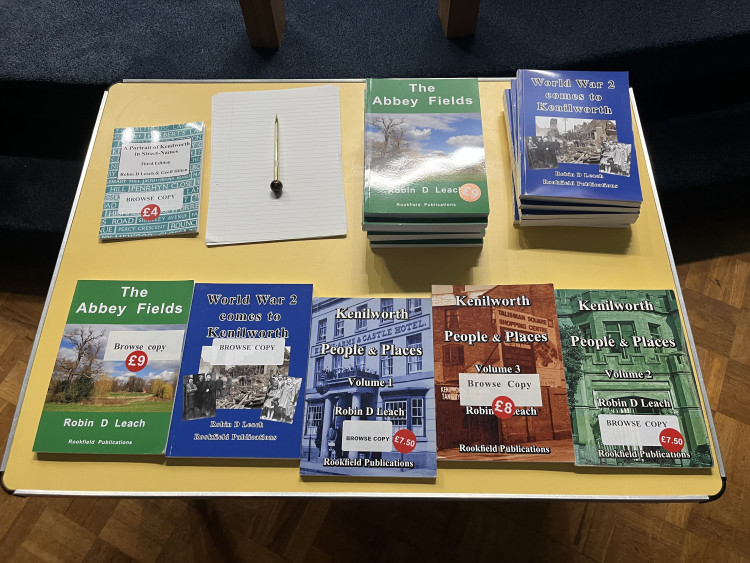
The author's collection of volumes, 'Kenilworth People and Places', was on sale alongside his other titles, including 'World War II Comes to Kenilworth'.
Leach joked early in the talk that his presentation would offer an "abridged" rather than a "complete" history of Abbey Fields and that he had come "under false pretences".
Download our Nub News App:
- It’s FREE and available now
- Breaking news notifications
- Your Town in Your Pocket




Share: