


Bad back? Kenilworth physio says don't take to your bed and think twice about a scan
By James Smith 6th Oct 2026
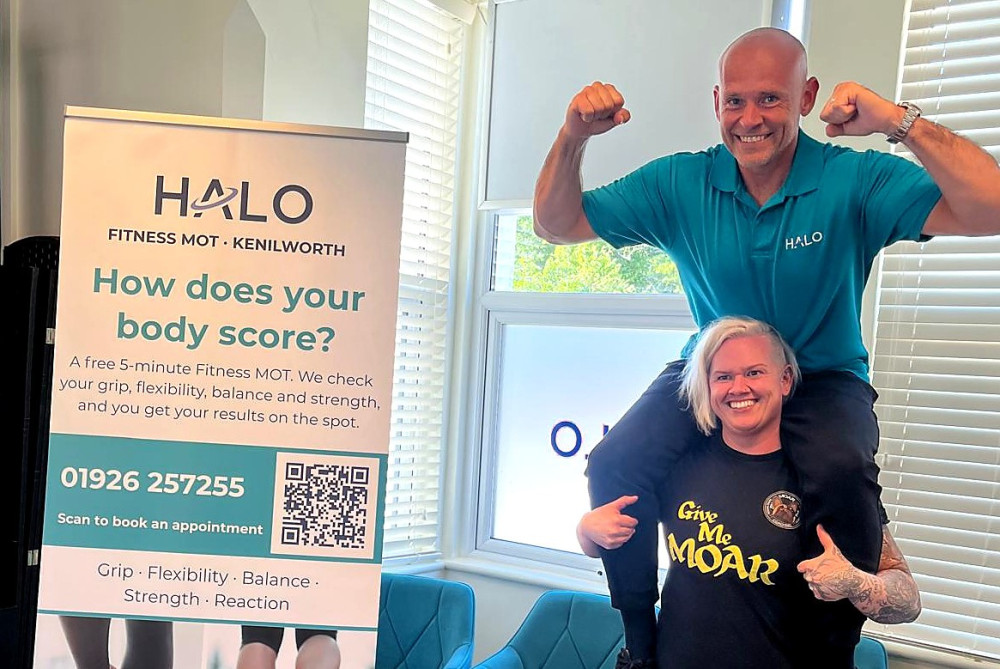


A Kenilworth clinic is challenging some of the most common assumptions about dealing with back pain as part of Back Care Awareness Week.
Back Care Awareness Week runs from 5–10 October, putting the spotlight on chronic back pain and what people can do to manage and prevent ongoing problems.
Dr Andrew Threadgold, co-owner of Halo Physiotherapy in Kenilworth, says some of the things people instinctively do when their back starts hurting may actually be unhelpful.
Here are his three key pieces of advice for looking after your back.
1. Keep moving – don't take to your bed
It can be tempting to stop moving when your back hurts, but prolonged rest and avoiding activity can actually make back pain last longer.
NICE guidance recommends continuing with normal activities as far as possible, with exercise playing a central role in managing low back pain.
That doesn't mean suddenly embarking on an intensive fitness regime. Walking, swimming, Pilates and strength work can all count.
The important thing is finding something you are comfortable doing and are likely to continue.
Download our Nub News App!
- It’s FREE and available now- Breaking news notifications
- Your Town in Your Pocket


2. Don't rely on quick fixes
There is no shortage of products promising to help people with troublesome backs, but many popular options aren't recommended for managing long-term low back pain.
NICE specifically advises against using belts or corsets, foot orthotics, TENS and traction to manage low back pain with or without sciatica.
Hands-on treatments such as massage or manipulation can have a role, but NICE recommends manual therapy only as part of a treatment package that includes exercise.
The longer-term aim should be to help people become confident about moving and managing their back themselves rather than becoming reliant on passive treatments.
3. Remember that hurt doesn't always mean harm
Perhaps the most surprising advice is that the amount of pain somebody feels isn't necessarily a reliable indication of how much physical damage has occurred.
With persistent back pain, factors including sleep, stress, mood and fear of movement can all influence the pain somebody experiences.
And that is one reason why immediately asking for a scan isn't necessarily the answer.
NICE advises against routinely offering imaging for low back pain in a non-specialist setting.

Scans can reveal perfectly normal age-related changes which may have nothing to do with a person's symptoms. Focusing on those findings can also make people more anxious about their backs and more reluctant to move.
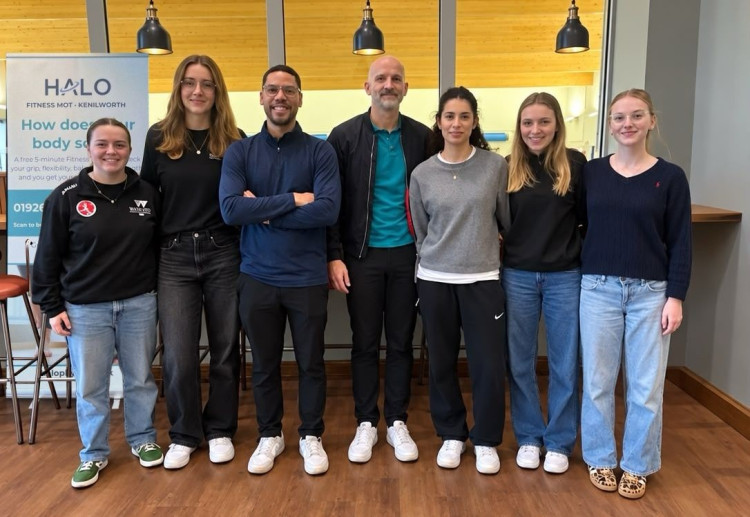
Dr Threadgold said: "Back pain can understandably make people very cautious. If something hurts, our natural reaction is often to protect it, stop moving and look for something that will make the pain disappear.
"But with many cases of back pain, particularly when it has persisted for some time, we actually want people to regain confidence in movement.
"That doesn't mean ignoring pain or pushing through anything regardless. It means understanding that pain isn't always the same thing as damage and that appropriate movement and exercise can be an important part of getting back to doing the things you enjoy.
"Back Care Awareness Week is a great opportunity to challenge some of the myths around back pain and, importantly, give people practical information they can use themselves."
The advice comes just over a week after Halo Physiotherapy opened its doors to the Kenilworth community for a free Open Day designed to make physiotherapy, rehabilitation and advice around health and movement more accessible.
Visitors were able to meet the team and "ask the physio anything", alongside free talks and demonstrations covering areas including back health, desk ergonomics, Pilates, strength and conditioning, sports massage, women's health and rehabilitation.
The event also featured world champion strongwoman Shauna Moar, who spoke about training, recovery and the role physiotherapy has played in her sporting career.
Dr Threadgold added: "The Open Day was about taking some of the mystery out of physiotherapy and giving people the chance to come in, meet us and ask questions without needing an appointment.
"That's something we want to do much more of. There is a huge amount of good information we can share that can help people understand their bodies, stay active and make informed decisions about their health.
"Back Care Awareness Week gives us another opportunity to do that. If we can help people understand that a painful back doesn't automatically mean a damaged back, or that staying in bed isn't necessarily the best response, that's useful information they can put into practice straight away."
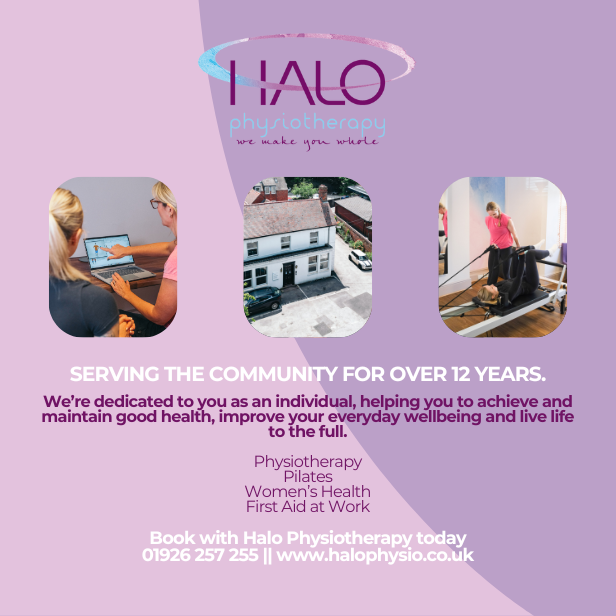
Halo Physiotherapy is based at Camden House on Warwick Road in Kenilworth and provides physiotherapy and rehabilitation alongside services including clinical Pilates, sports massage, women's health and podiatry.
Halo sponsors Kenilworth Nub News.
Without community-minded partners like them, we would not be able to provide clickbait-free news to the people of Kenilworth.
Download our Nub News App:
- It’s FREE and available now
- Breaking news notifications
- Your Town in Your Pocket


Share: